

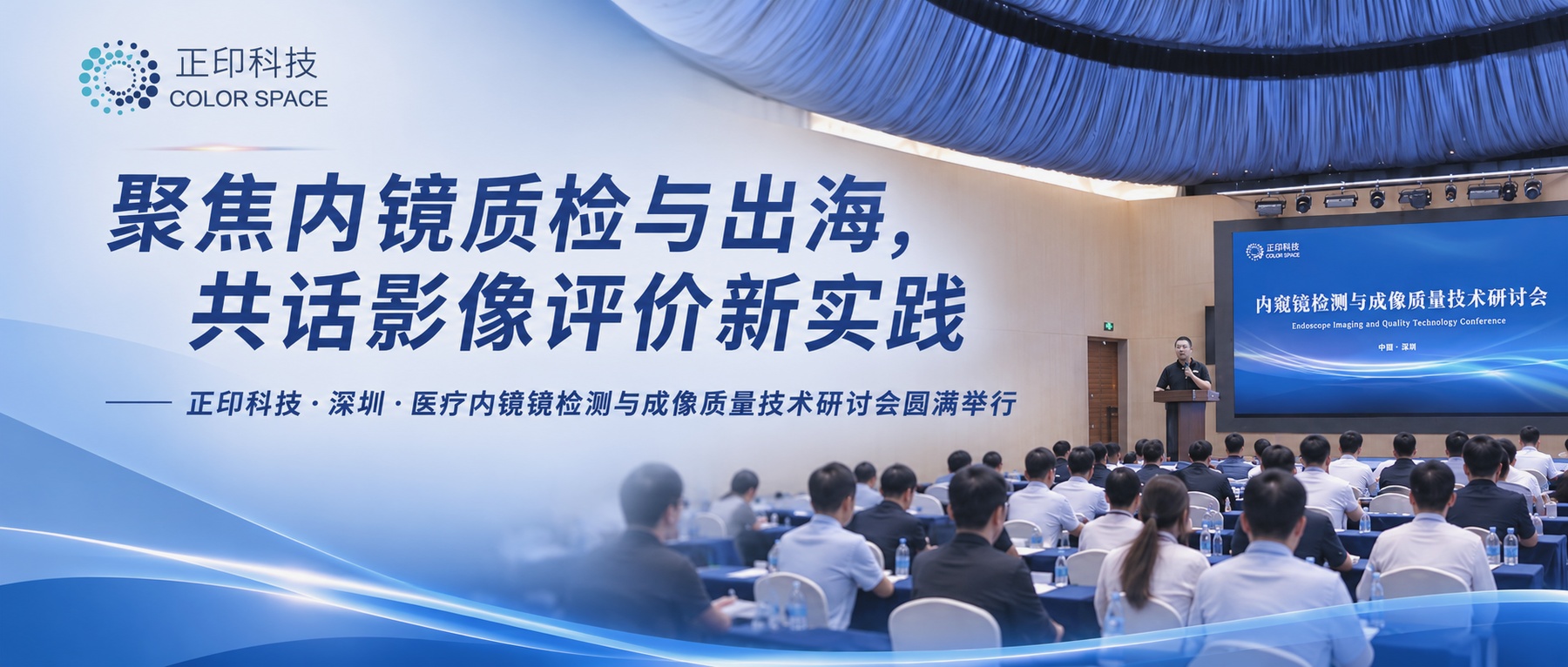
How should the image quality of a medical endoscope be evaluated? How should fluorescence performance be tested? Which technical requirements most often cause problems during registration testing? And what imaging characteristics matter when entering overseas markets?
These questions run through the whole lifecycle of an endoscope product — development, testing and market access — and remain recurring topics for manufacturers.
ColorSpace recently hosted the Medical Endoscope Testing and Imaging Quality Workshop in Shenzhen, bringing together senior technical compliance specialists from STC (Hong Kong Standards and Testing Centre) and the ColorSpace technical team with engineers and quality managers from across the endoscope supply chain.
Starting from optical performance testing, the programme covered fluorescence evaluation, medical device registration testing, overseas imaging requirements and standard-specific training, linking test methods with day-to-day application needs.
01 | Optical performance: how should the key metrics be evaluated?
For a medical endoscope, image quality affects not only the visible result but also R&D tuning, performance verification and registration testing.
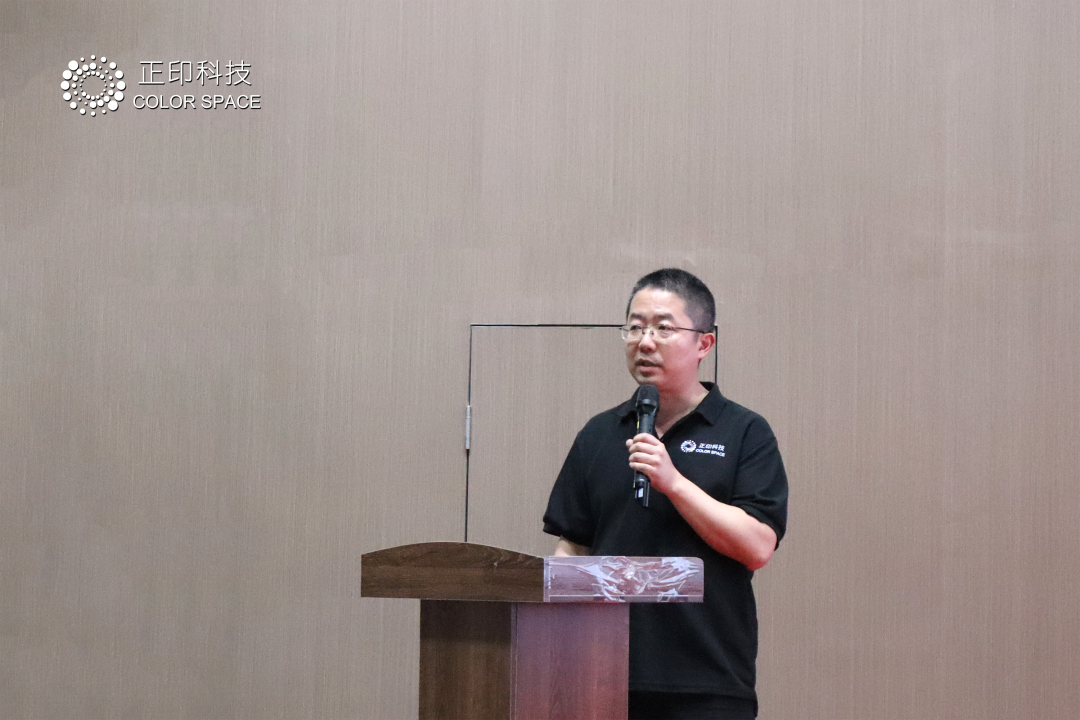
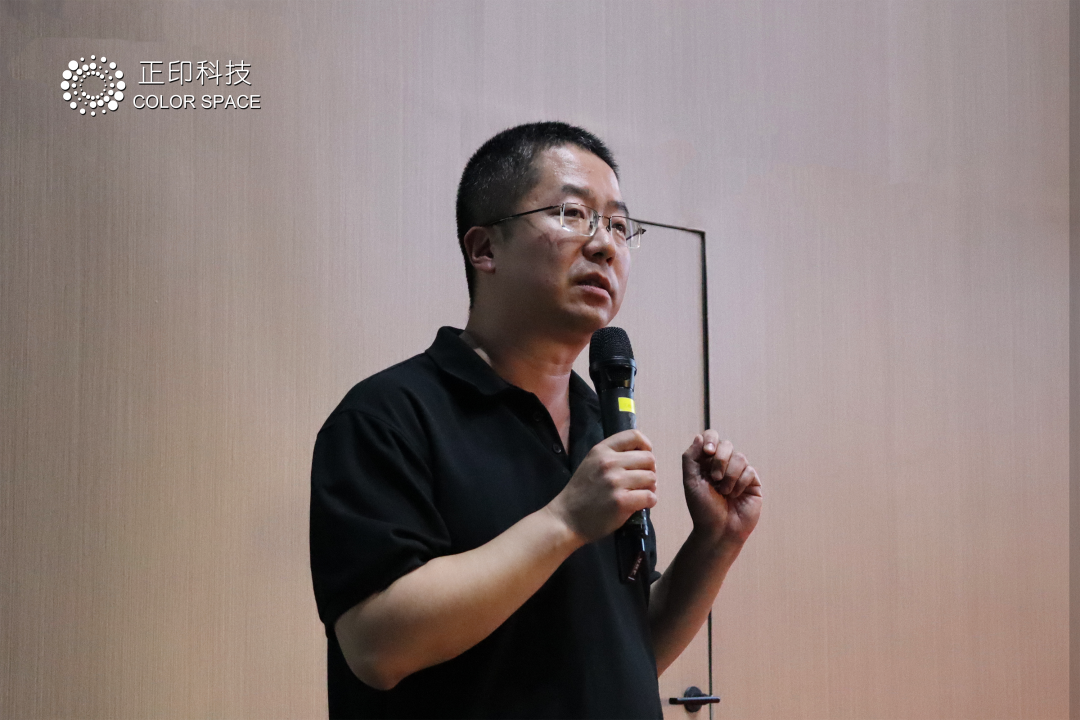
The workshop opened with optical performance. Mr. Li Tong, Medical Industry Manager at ColorSpace, reviewed test methods for resolution, illumination performance, distortion and luminance response, referencing relevant industry standards and real test requirements.
In practice, even for the same metric, differences in test conditions, operating procedure and the way data are interpreted can change the final result. Mr. Li went on to analyse the factors that cause discrepancies between in-house self-testing and third-party registration testing.
Beyond conventional optics, fluorescence endoscope performance was another focus of the day.
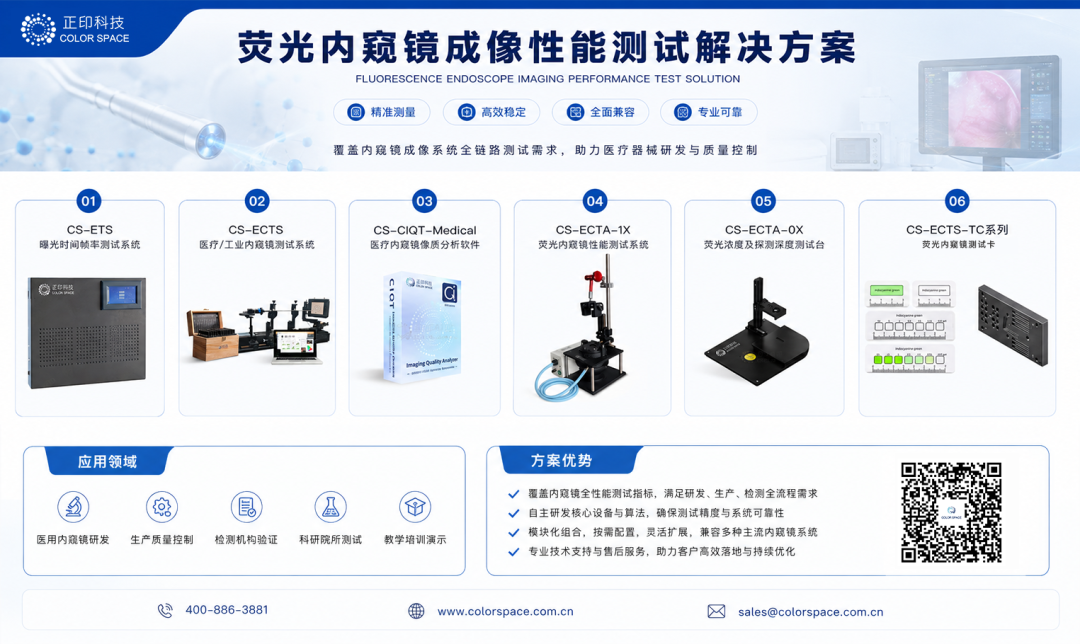
For fluorescence endoscopes, the session introduced an ICG fluorescence sensitivity evaluation and a field-of-view test approach, discussing implementation paths and technical points that manufacturers can reference when setting up their own tests.
02 | Going overseas: what imaging performance must be documented?
As endoscope makers expand into overseas markets, meeting local regulations and registration requirements is only part of the task — manufacturers also need a defensible way to evaluate imaging performance and to support performance claims with test data.
Mr. Wang Long, senior technical expert at ColorSpace, covered the optical imaging requirements in FDA 510(k) review, focusing on resolution, geometric distortion, colour performance and the display chain.
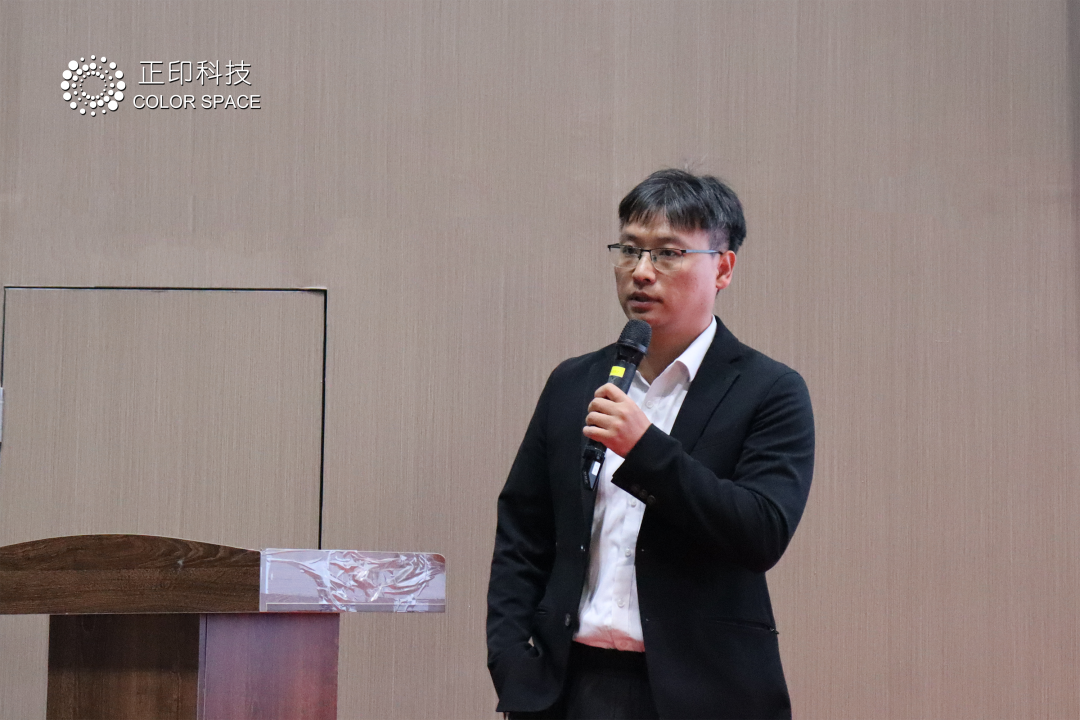
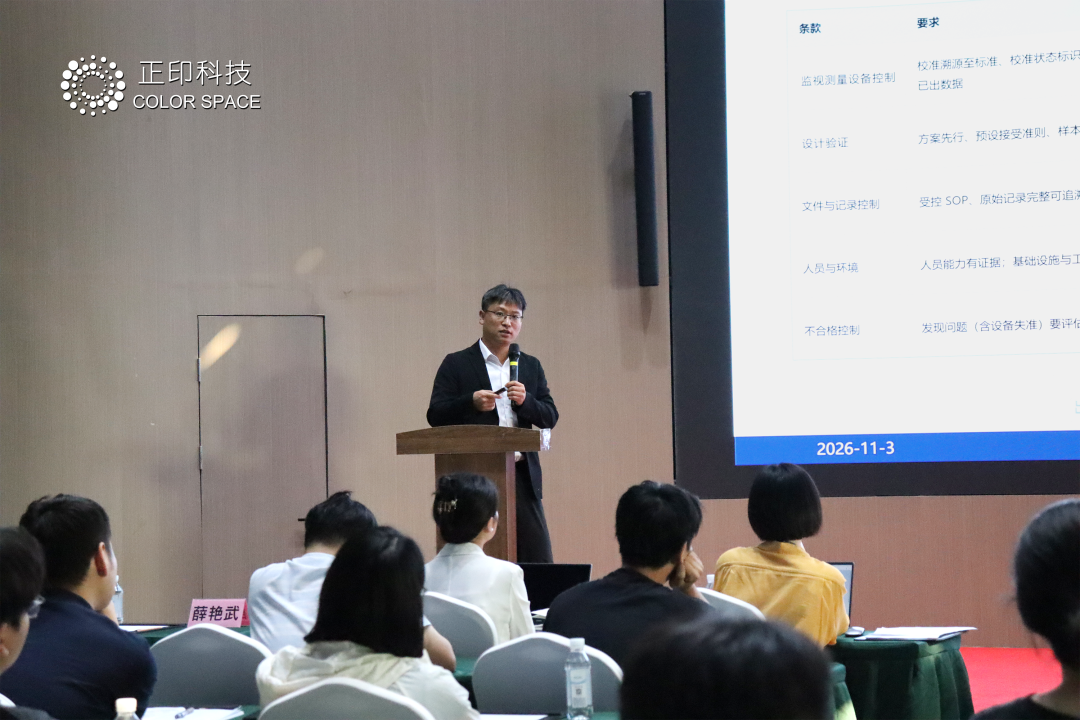
Using case studies, the session examined imaging-performance issues that can arise during overseas registration and how validated methods plus quantitative data can support performance claims.
03 | Registration testing: from technical requirements to common findings
Beyond performance testing, registration testing is another area endoscope manufacturers must plan for.
Ms. Ke Shuixian, medical device compliance expert at STC (Hong Kong Standards and Testing Centre), presented the testing body's perspective: common non-conformities in endoscope registration testing, how technical requirements should be written, division of registration units and corrective actions.
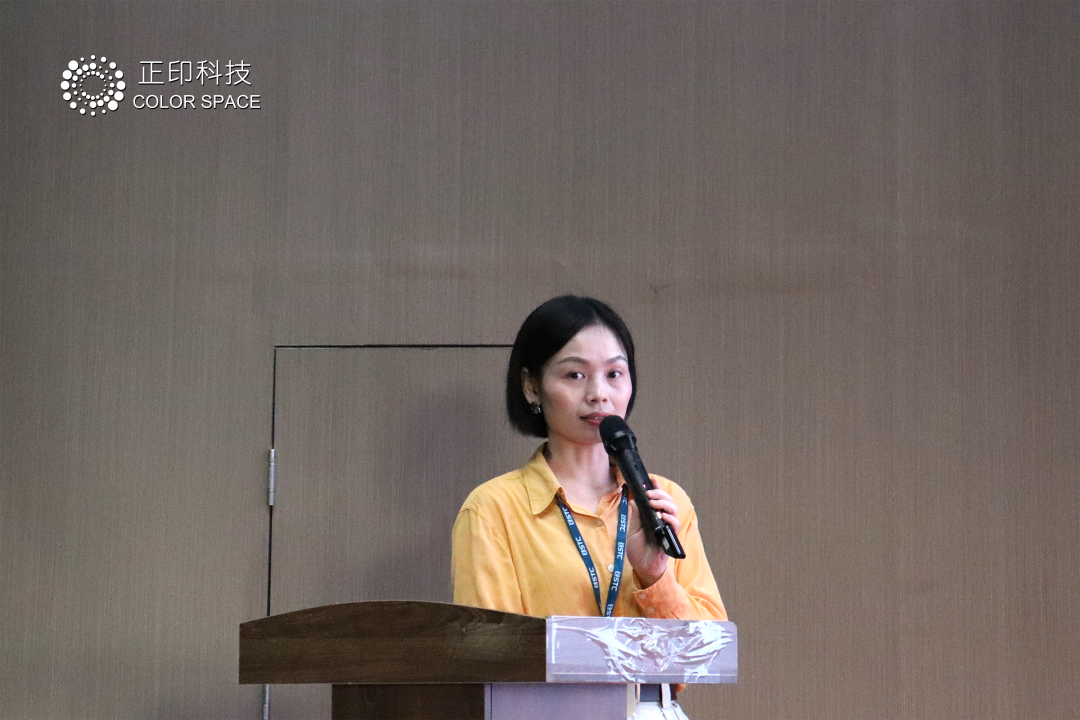
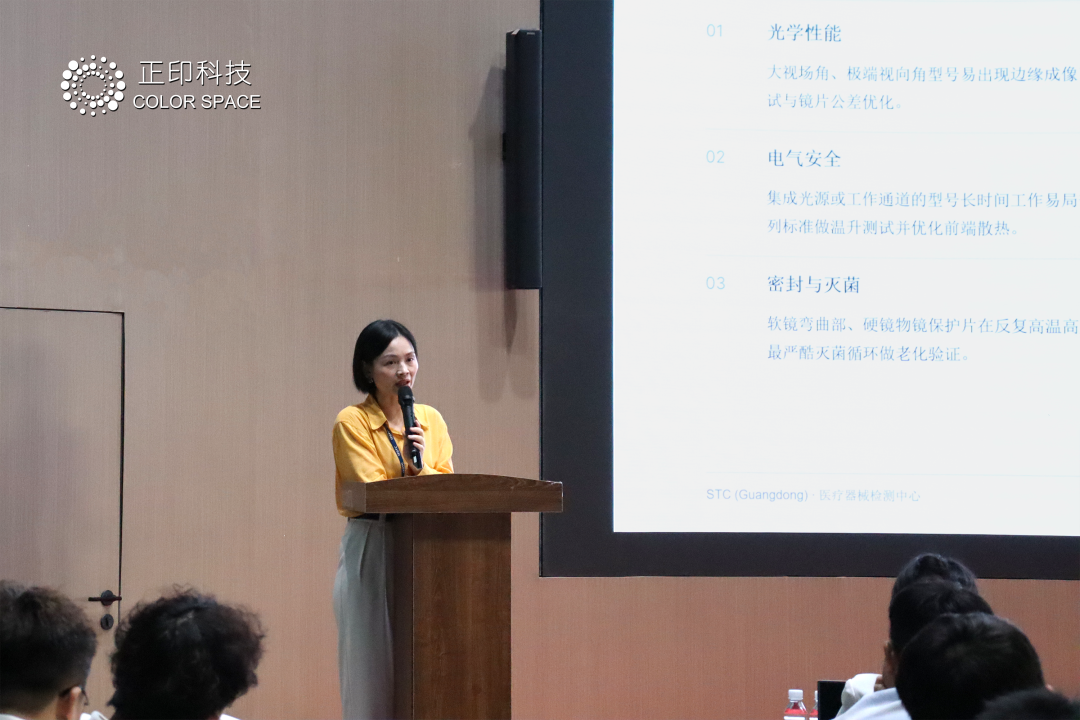
By reviewing typical findings and the corrective actions they trigger, attendees gained a clearer view of what testing bodies look for during registration, which helps with compliance planning earlier in development.
04 | From endoscopes to tongue diagnosis: cross-domain optical imaging
The workshop also extended its scope to traditional Chinese medicine tongue-diagnosis devices, exploring how optical imaging applies in other medical imaging scenarios.
Mr. Xue Yanwu, General Manager of ColorSpace South China, discussed the digital and intelligent application of tongue-diagnosis equipment, covering optical imaging, illumination control, colour correction and automated image analysis in tongue image acquisition, and sharing practical approaches to standardised image capture and diagnostic support.
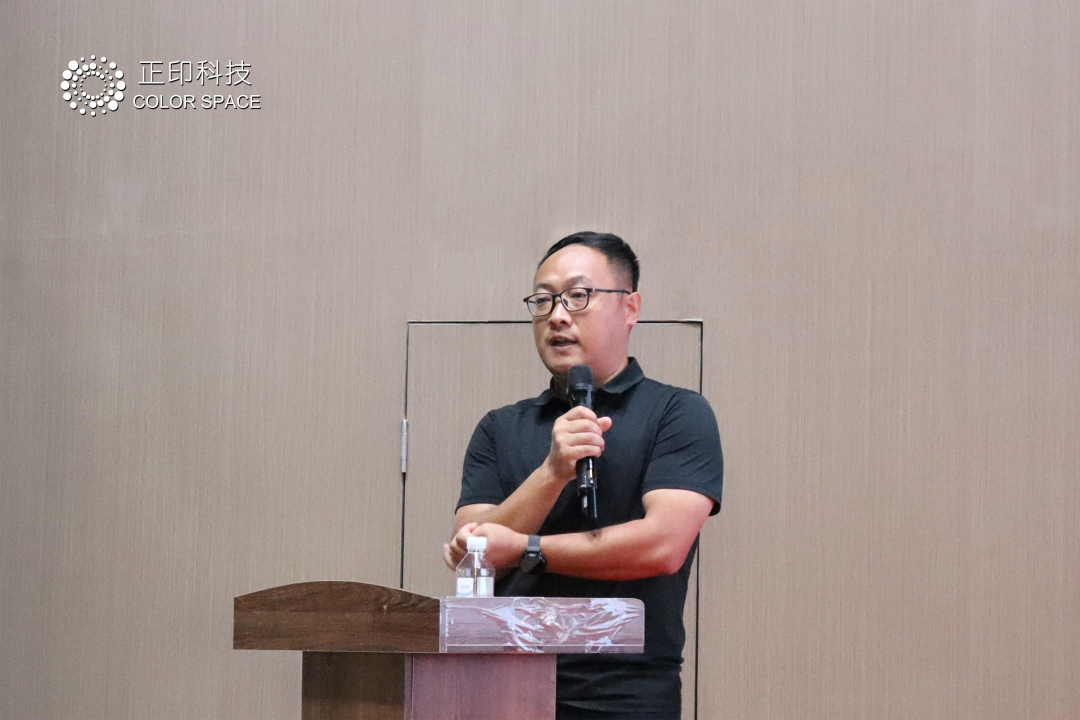
Unlike endoscopic imaging, tongue image capture depends equally on consistent imaging conditions and on accurate colour and information reproduction.
Different applications, shared fundamentals: optical imaging, illumination control and image analysis matter in both cases — which widened the discussion from endoscope testing to medical imaging more broadly.
05 | YY 0068.1 test method training and open discussion
The day closed with a dedicated training session on YY 0068.1 test methods, led by Mr. Li Tong, covering key test requirements, operating details and frequently asked questions.
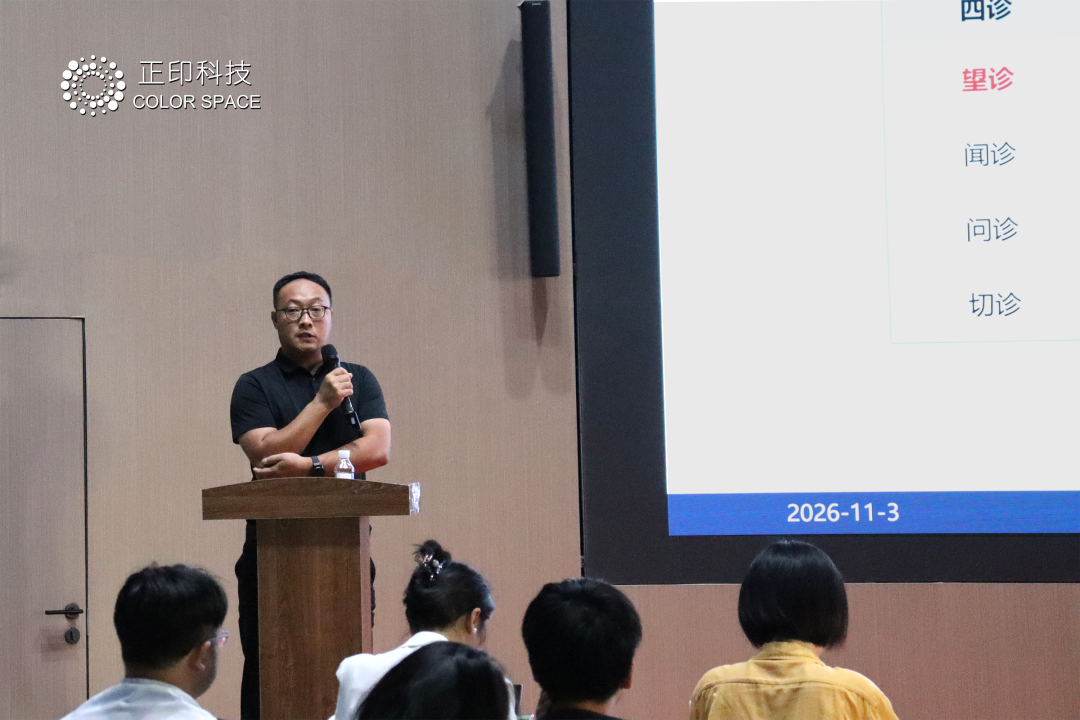
In the Q&A that followed, attendees raised issues from their own development, quality control and registration work. Discussions on test methods, differences in results and specific application needs helped connect the standard's requirements with everyday testing practice.
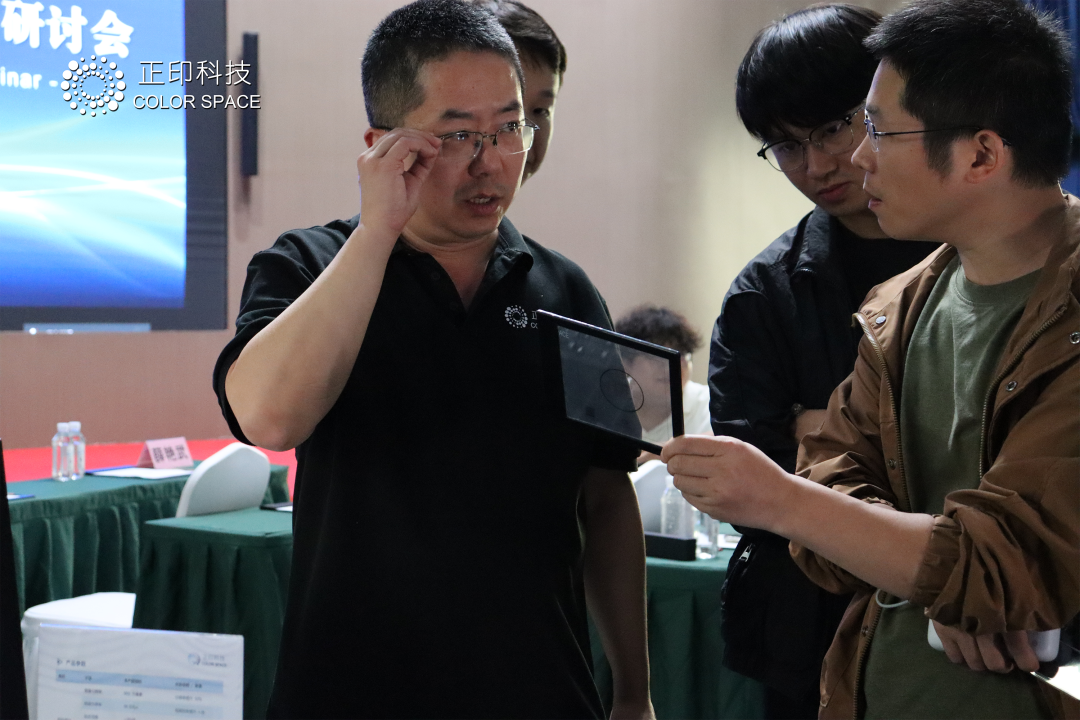
06 | Supporting the industry, advancing imaging
From optical performance and fluorescence evaluation to registration testing, overseas market access and cross-domain medical imaging, the workshop covered a range of practical topics in medical imaging development, testing and compliance.
Our thanks to the specialists from STC (Hong Kong Standards and Testing Centre) and the ColorSpace technical team for their presentations, and to all attendees for their engagement.
ColorSpace will continue to support medical imaging evaluation with test equipment, analysis software and technical services — helping endoscope and medical imaging manufacturers with R&D verification, quality control and market access.
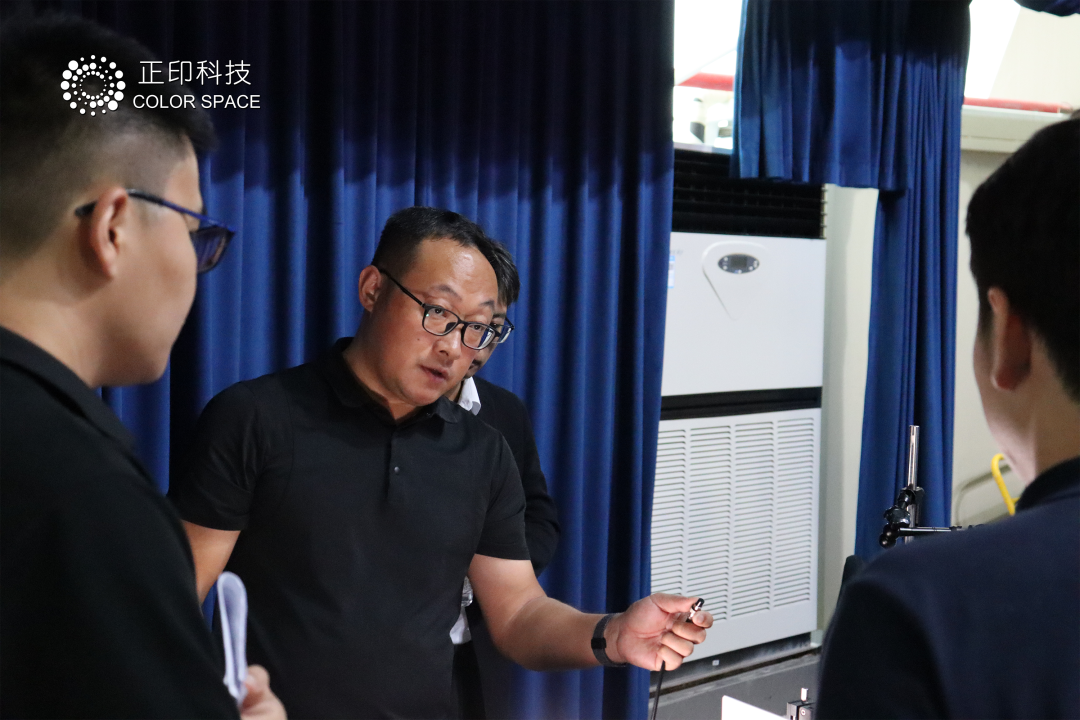
For product and test-service enquiries, please contact:
E-mail:sales@colorspace.com.cn
Tel:400-886-3881

Follow ColorSpace on WeChat for industry news, events and solutions
Contact: sales@colorspace.com.cn
Phone: 15817270587
Tel: configweb_tel
Email: sales@colorspace.com.cn
Add: South Building #2-1101, Lv Di Qi Hang Office Building, Hou Sha Yu, Shun Yi District, Beijing, China